Concrete is not eternal - the effects of deterioration are plain to see on many structures. Poor materials, careless placing and no protection lead within a few years to spalling: surface concrete breaking away. Too often we repair with the same criteria we poured with, and get the same result: repairs that last no time and structures on permanent maintenance.
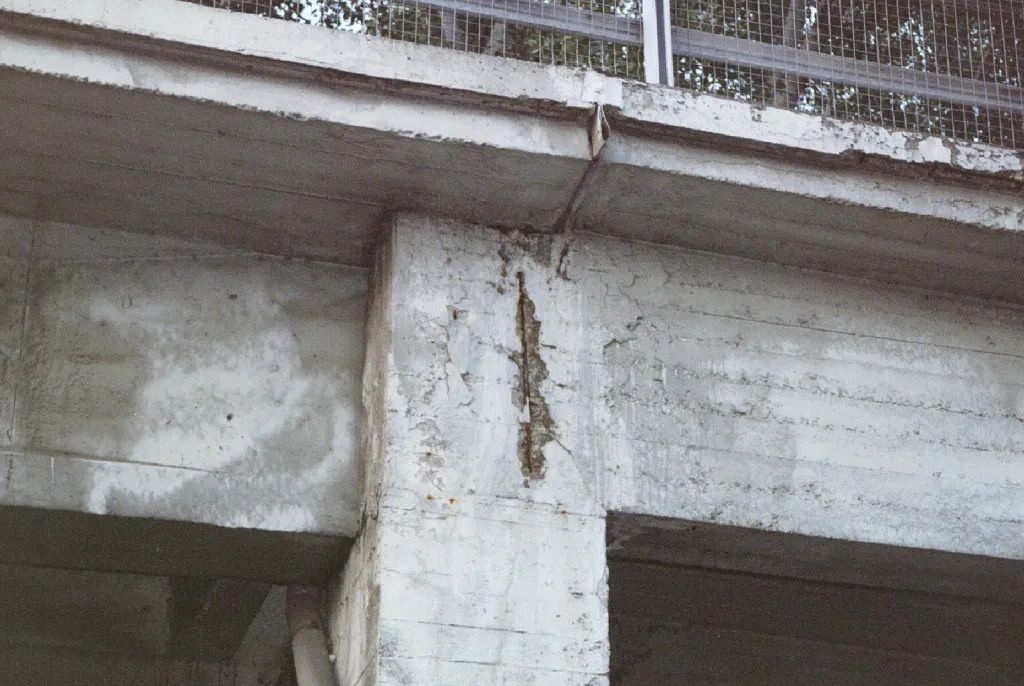
Five steps to a lasting repair
1. Prepare the surface
Applying repair mortar to an unprepared surface is like putting a plaster on a wound without disinfecting it. Delaminated concrete has poor cohesion and strength: consolidate and waterproof it before the mortar goes on, or in a few years the mortar comes away taking a few centimetres of substrate with it. Prepare the day before: remove all loose material and wet the surface thoroughly - a pressure wash does both - then consolidate the cement matrix in depth with an impregnation such as Vetrofluid.
2. Waterproof - and diagnose
Beyond a sound surface, a lasting repair needs the cause of the damage understood and removed. De-icing salt? Rising damp? Marine exposure? Water infiltration? Organic attack (farms, industrial processes)? If you used Vetrofluid in step 1 you have already dealt with this; otherwise take the appropriate precautions.
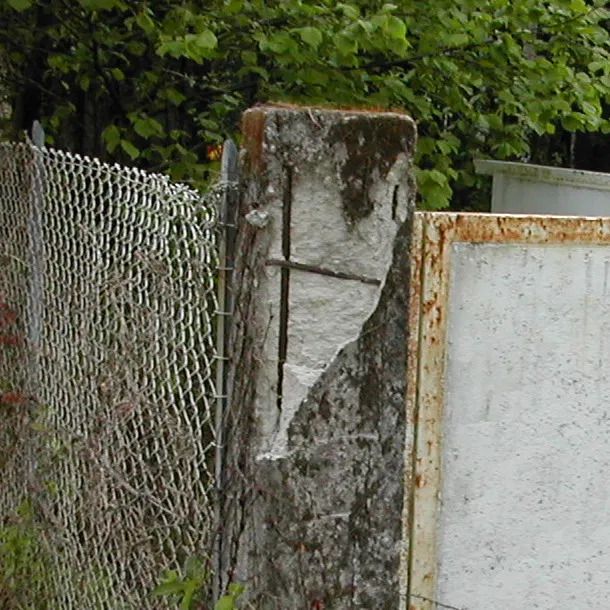
3. Treat the reinforcement
Rust drives delamination: as steel oxidises it expands and pushes the cover off. We cover rebar treatment in its own article.
4. Choose the right mortar
Compressive strength is not always the point. Repairing concrete with a residual surface strength of 20-25 MPa using an 80 MPa mortar achieves little and can be counter-productive - it tends to tear the substrate. Impermeability and adhesion matter far more. The mortar must be CE marked to EN 1504-3 - not merely "conforming": look for the actual CE mark on the datasheet. And it must be designed for the thickness you need; since a repair should always extend a few centimetres beyond the damage, prefer a mortar that can feather down to zero.
5. Protect the concrete
If the concrete is damaged, it is most likely because it was never protected. Now is the time: rebuild the surface with a structural overlay such as Ercole, impregnate with a deep waterproofer (Vetrofluid), or apply a water repellent (Brickcover). Whichever suits your case, protect it now - it will last longer.
The UK system
All five steps map onto our concrete repair range: Degreaser, Rust Buster Gel, Bonding Agent, Crono and Strutturale, then Vetrofluid or Pavishield to protect.