Sodium silicate or lithium silicate? Waterglass or potassium silicate? Silicates come in liquid and solid form; those used in construction are the following.
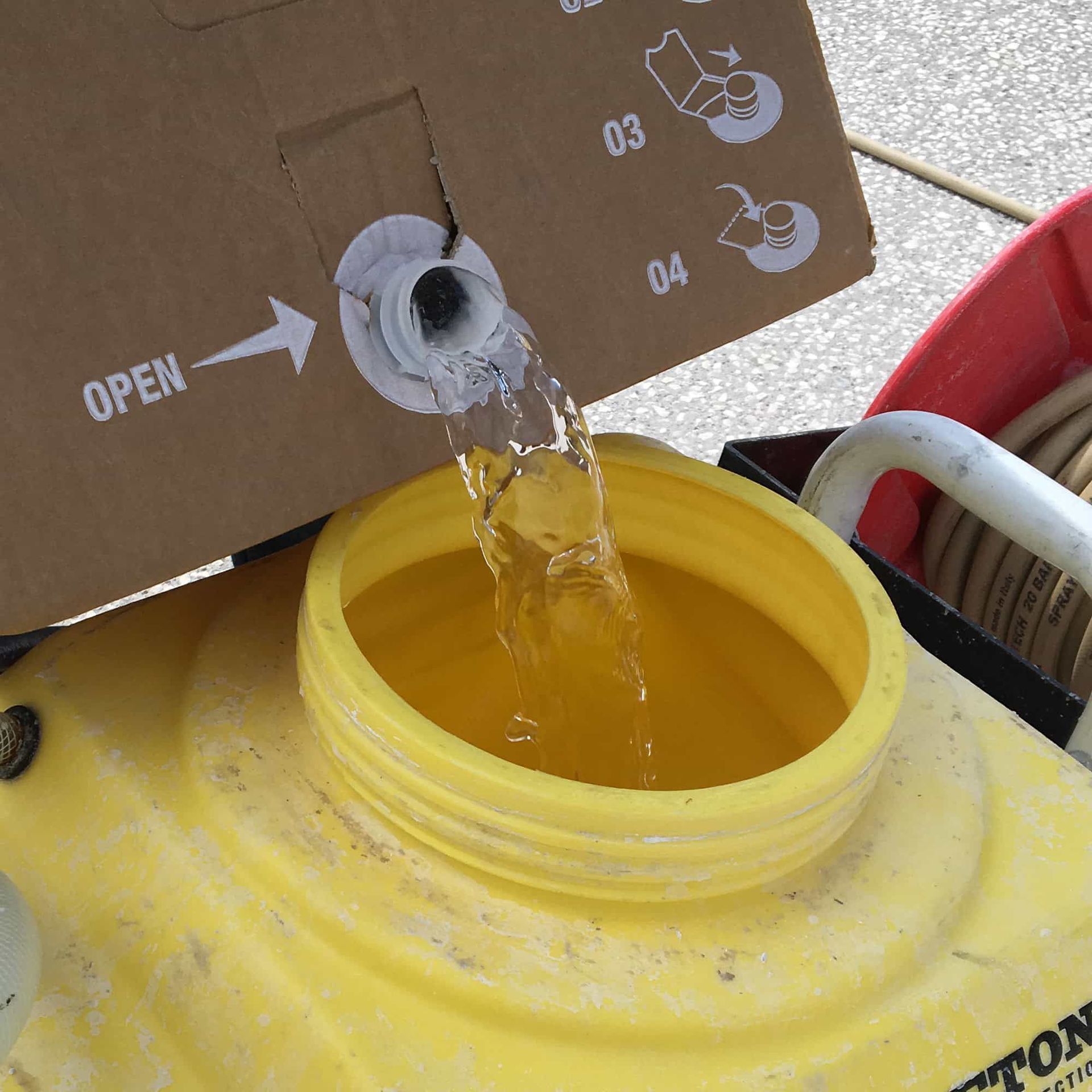
Sodium silicate
Commonly called waterglass, widely used in shotcrete, as an accelerating admixture and, in powder form, as a "crystallising" additive. Pure, it is unsuitable for direct use on concrete surfaces: it tends to carbonate, reacting with CO2 to form a white deposit, and its reaction is reversible in water - wetted for long enough it returns to a gel. An advantage on horizontal surfaces if micro-cracks appear; a clear disadvantage for waterproofing buried structures.
Modified sodium silicate
Waterglass is often modified with other compounds to improve penetration or prevent carbonation. Modified silicate then serves as a hardening and consolidating treatment for industrial floors, an anti-acid protective for biogas tanks and agriculture, and a total waterproofer for potable water tanks, sewage, basements, concrete pipes and bridge decks. Suitably modified, it also gives excellent anti-evaporation (curing) properties. Proprietary formulas vary; choosing the right one is decisive for effectiveness and durability.
Potassium silicate
The base for silicate paints, particularly in Europe. Not subject to carbonation, so better with pigments; mineralises with the portlandite in render to form impermeable, water-repellent compounds. Favoured for external walls.
Lithium silicate
Lithium is a smaller atom, so it penetrates the cement matrix better - but its small size makes it harder to block the pores and saturate the substrate effectively. Used only on industrial floors, generally at concentrations too low to match other silicates, because lithium costs 20-30 times more than sodium or potassium.
What silicates do
Waterproof, resist chemical attack, consolidate and harden, and make materials fire-resistant. Applied to concrete (or render, for potassium) they mineralise with the alkali metals and silicates present, forming a breathable microcrystalline structure. They become an integral part of the substrate - unlike surface treatments and paints that form a film on top. Being alkaline they inhibit bacterial growth and reduce carbonation of cementitious materials, with excellent anti-corrosion properties. Outside construction, uses range from preserving eggs to grouting the ground against radioactive water after Fukushima.
Which to choose
For concrete, first insist on a product CE marked to EN 1504-2 - a demanding standard that also covers floors. Among silicates, modified sodium silicate is preferable: it best matches the average pore volume of concrete and best saturates and bonds with the matrix. For a glossy floor, a low-penetration modified sodium silicate that stays at the surface for mechanical polishing (beware traffic lanes polishing unevenly). For protection and durability, especially outdoors, a high-penetration sodium silicate needing no further surface treatment. Many lithium products add acrylic resins or other organics to cut the lithium content, betraying the silicate philosophy. Ask for the CE marking document - it must carry the CPD number and the notified body; if not, it is smoke and mirrors. For renders, potassium silicate is an excellent consolidant and paint base.
Not everyone knows...
Silicates also differ by molar ratio: two sodium silicates can have totally different uses and properties. Ethyl silicate, an organic and flammable compound, is used in stone restoration. Silicate also protects wood - see Everwood - raising fire resistance and hardening and protecting it. Silicates are fully mineral and eco-compatible: COD and BOD both zero. "Microsilica" is a useful but entirely different material.