Practical solution or a choice of value? It has been a few years since microcement - or cementitious coating - graduated from a fix for industrial floors into a deliberate design choice, in commercial and residential interiors alike. Its stylistic essence has followed the same path: from a fallback for old, damaged floors to consecration as a "premium material" that interiors are designed around. The interesting thing is that microcement is unmistakably both.


Its starting form
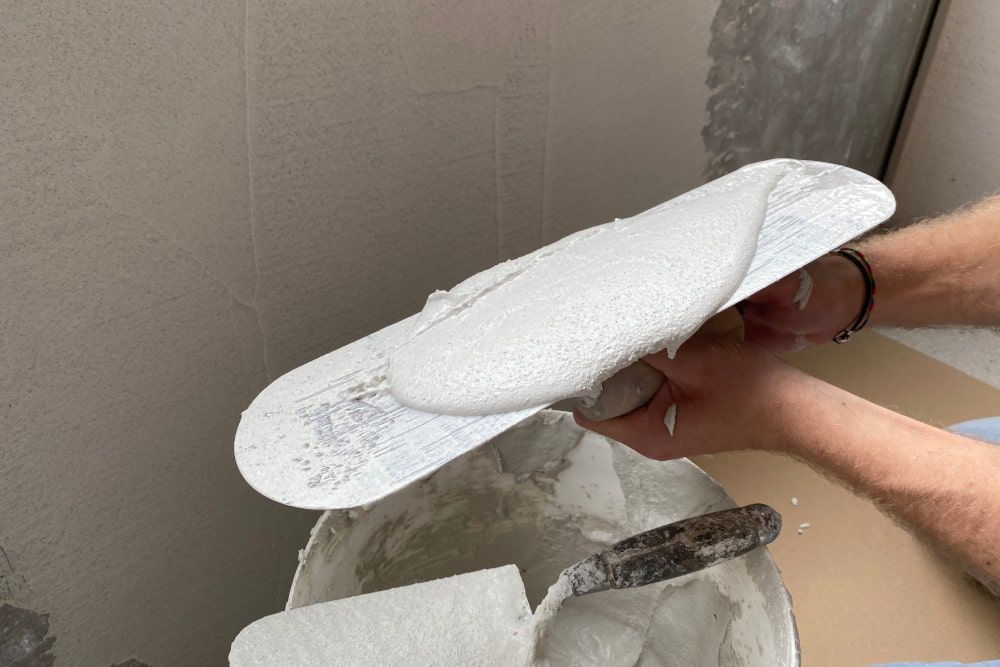
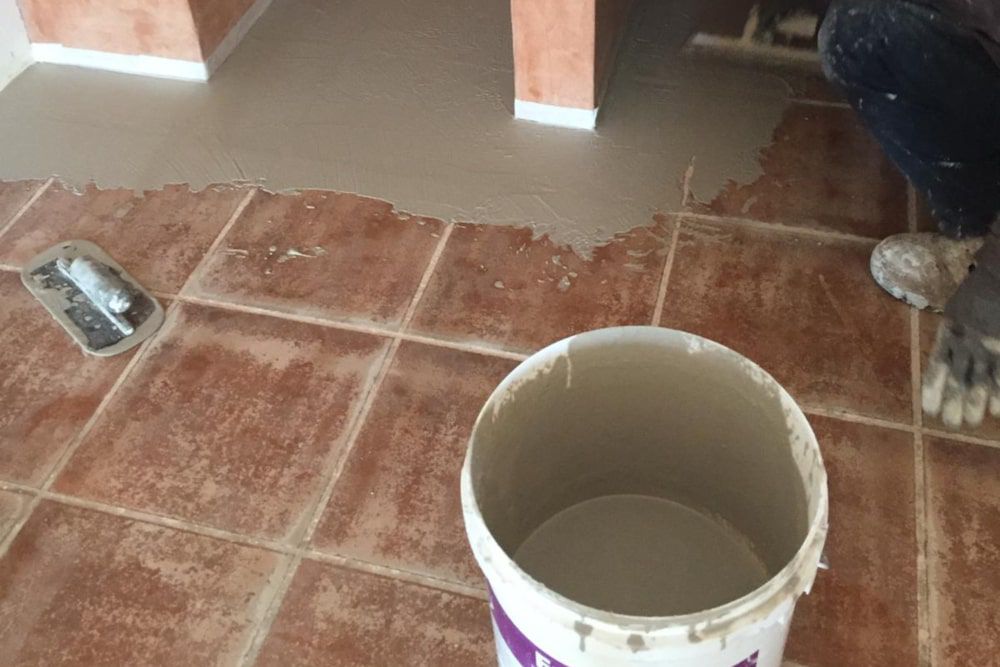
One of its most valuable traits is that in its initial form - usually a blend of mineral powders needing only water - it behaves as a cement mortar, with everything that implies. It goes on vertically and horizontally, on relatively damaged or raw surfaces, on furniture with corners, edges or curves. Its field of application is very wide (provided the surface is structurally sound and protected from rising damp), which lets it do its job as a renovation material, covering surfaces that are no longer liked (old tiles), damaged (old floors) or left raw (screeds and concrete).

Its final look
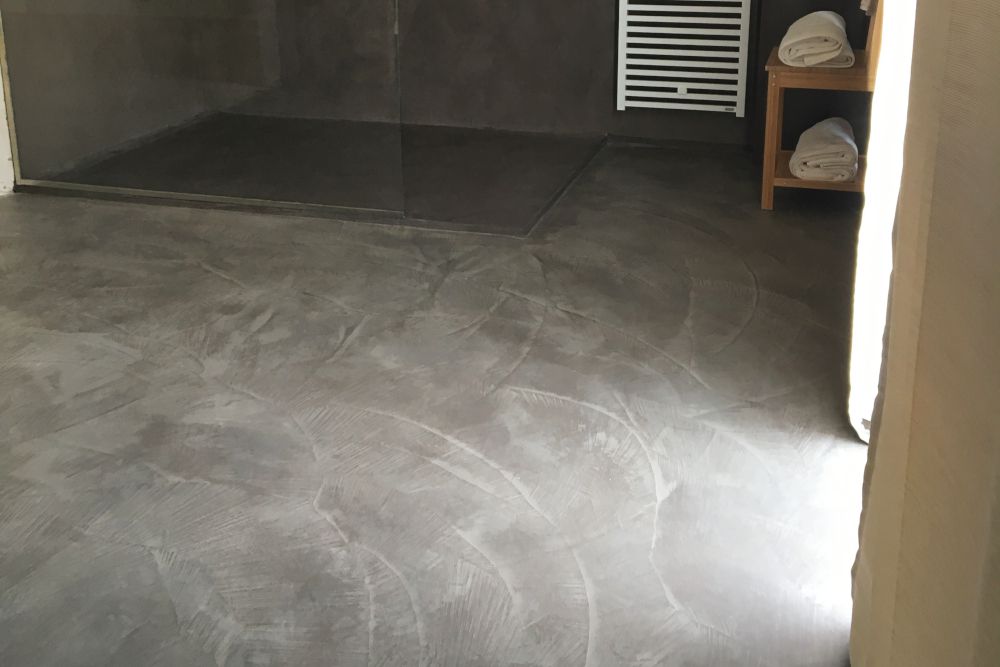
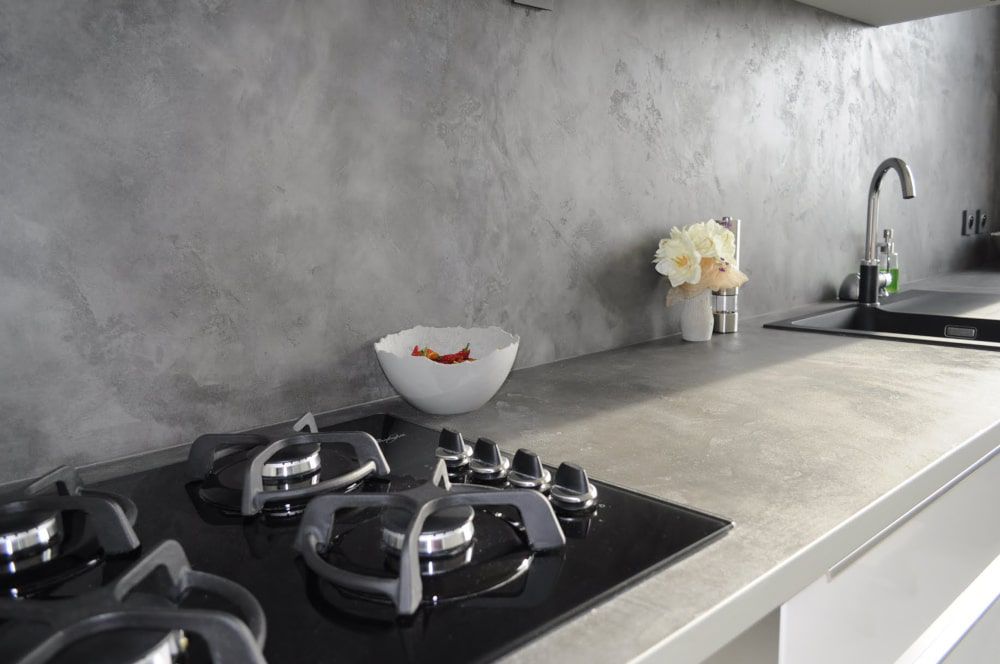
The other great peculiarity is the surface it becomes once laid and finished. The fluidity of the mortar and the grain of the mineral turn into a dry, resistant surface - visually compact yet soft and dramatic. The manual trowelling means the marks of application - the strokes, the varying grain - become the distinctive signature of the craftsman, which the most skilled applicators learn to control.
Its uniqueness
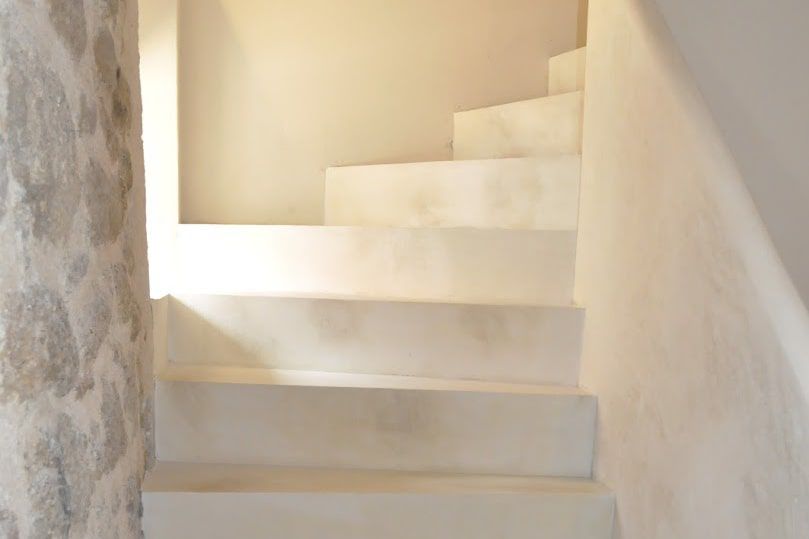
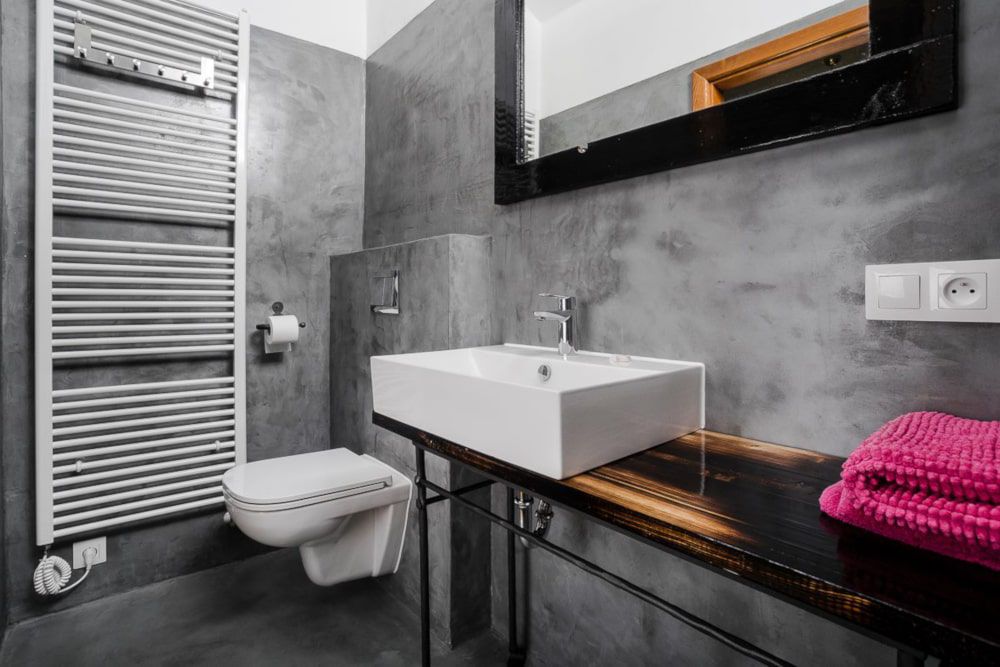
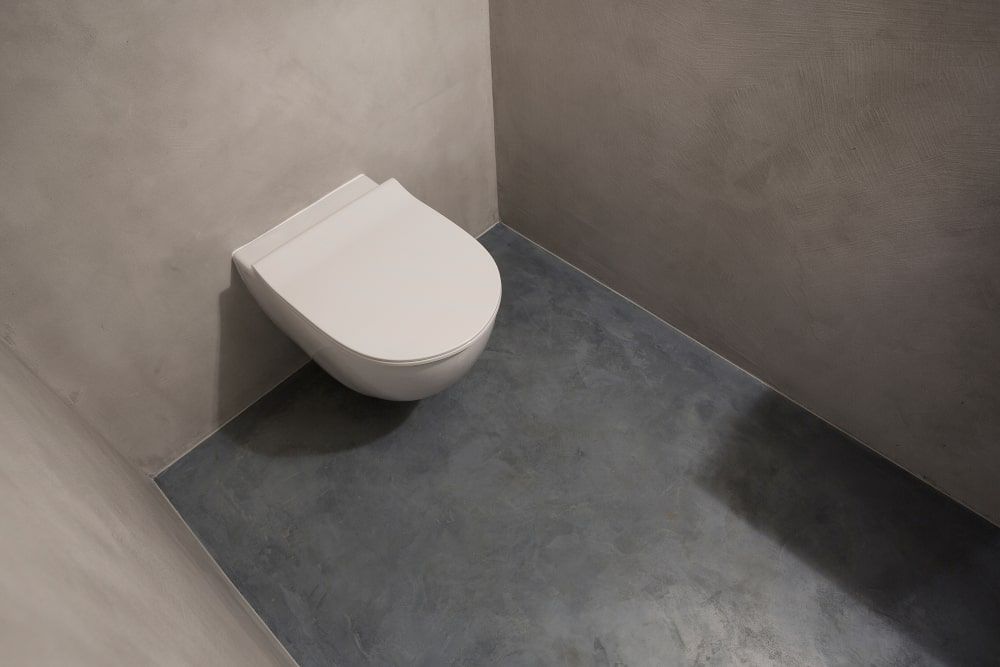
Few decorative materials are as singular. Its ability to wrap a room 360 degrees, with no visual break between floor and walls, serving both practical and aesthetic ends, makes it an extremely living, personal material. The "coldness" attributed to ordinary concrete has no place here: no resin, paint or synthetic solution can give a surface the same warmth and material presence. The fine grain, felt and seen even on highly smoothed finishes, comes alive when light strikes the mineral particles - homogeneous, yet never identical to itself.
See finished projects and the full UK microcement range on our microcement floors and walls page.